
How to Look Effortlessly Put-Together While Staying Warm for Christmas
Christmas brings its own kind of pressure. Plans stack up fast. Family visits. Dinners. Walk through cold streets. Photos appear without warning. At the same time, winter weather demands layers, warmth, and practicality. That balance often feels hard to achieve. Many outfits end up bulky, mismatched, or uncomfortable.
Looking put-together during Christmas does not require constant outfit changes. It does not require buying more clothes either. The goal is ease. Warmth should support the look, not fight it. Small choices in outerwear, layering, and colour make a big difference.
This article shares practical styling tips that help create polished winter looks without effort. Each tip focuses on comfort, warmth, and visual balance. These ideas work for gatherings, travel days, and quiet celebrations alike.
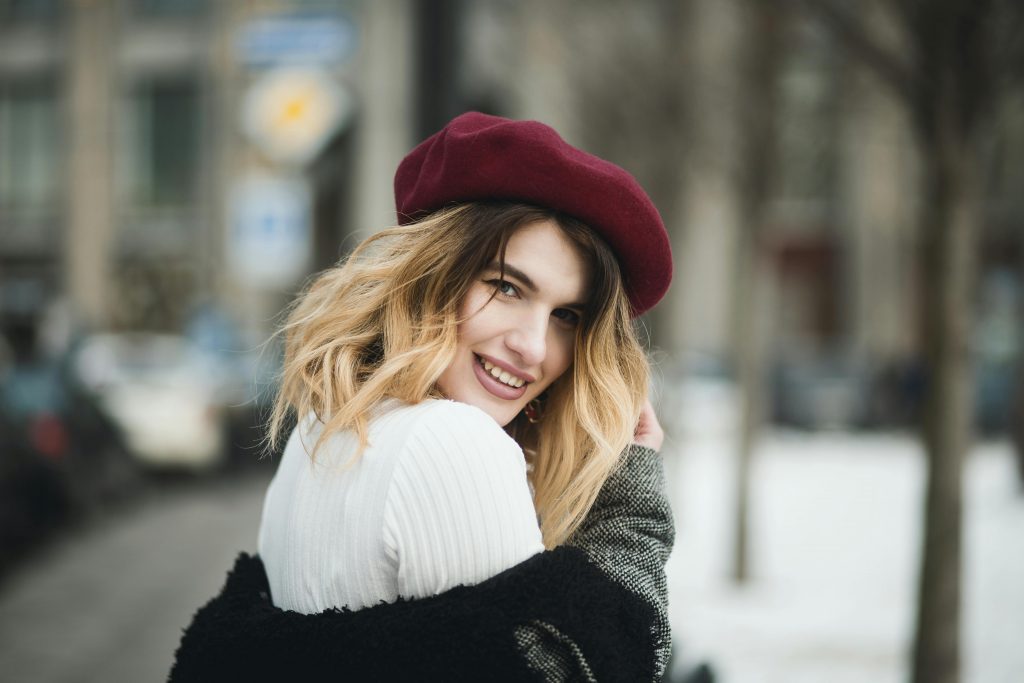
Tip 1: Layer Thin Instead of Heavy
Warmth does not come from thickness alone. Bulky layers often ruin shape and movement. Thin layers trap heat better and look cleaner.
Start with lightweight base layers. Fine knits work well. Thermal tops add warmth without volume. Soft inner fabrics keep comfort high throughout long days.
Thin layering allows the coat to sit properly. It avoids tight sleeves and awkward bunching. This approach keeps outfits smooth and controlled.
Christmas days often stretch from morning to night. Thin layers adapt better to changing temperatures. Comfort stays consistent without sacrificing polish.
Tip 2: Start With One Strong Outer Layer
Winter outfits often fall flat when outerwear is treated as an afterthought. During Christmas, the coat becomes the most visible part of the outfit, showing up in photos, arrivals, and outdoor moments. A strong outer layer sets direction immediately.
Structure plays a key role. Clean seams bring order. Tailored shapes keep layers controlled rather than bulky. Even simple clothing underneath feels deliberate when the coat holds its form.
This is why French coats remain a popular choice for winter styling. Their design prioritises balance, offering definition without stiffness and detail without excess. Many of these styles are easy to access online through platforms like Zadig&Voltaire, which simplifies seasonal shopping. The result is outerwear that transitions smoothly from daytime gatherings to evening celebrations without needing constant outfit changes.
Tip 3: Keep the Colour Palette Calm
Too many colours break visual flow. Christmas outfits look better when colours feel connected. Calm palettes create instant cohesion.
Neutrals always work. Black, beige, grey, and cream feel effortless. Deep seasonal tones also suit winter well. Burgundy, forest green, and navy add warmth without distraction.
Limiting colours helps outfits photograph better. It also makes mixing pieces easier. Calm palettes reduce decision fatigue during busy days.
When colours stay controlled, textures stand out more naturally. The look feels considered without extra effort.
Tip 4: Choose Pieces That Hold Their Shape
Clothes lose polish when they lose structure. Soft fabrics can look tired after hours of wear. Christmas gatherings often last long. Shape matters.
Structured trousers sit better throughout the day. Well-made knits hold form longer. Coats with proper tailoring resist sagging.
Shape creates confidence. It keeps outfits looking fresh even after movement, sitting, and travel. This matters during holidays filled with activity.
Pieces that hold structure require less adjusting. They allow focus on moments, not outfits.
Tip 5: Let Accessories Add Warmth, Not Noise
Accessories complete winter looks when used carefully. Too many create clutter. The goal is warmth with intention.
Scarves add both function and texture. Choose simple patterns or solid tones. Gloves should match the coat’s mood. Boots should balance comfort and proportion.
One or two accessories are enough. They support the outfit instead of competing with it. Texture often works better than bold prints.
Small choices here elevate the look quietly.
Tip 6: Dress for Movement, Not Just Photos
Christmas involves motion. Walking between plans. Standing during conversations. Sitting for long meals. Outfits should move well.
Stretch fabrics help. Comfortable footwear matters. Heavy layers restrict movement and create frustration.
A put-together look stays intact when movement feels natural. Clothes should follow the body, not fight it.
This approach prevents constant readjusting. It also keeps confidence steady throughout the day.
Tip 7: Use Simple Styling Adjustments
Small changes create visible polish. These adjustments require no shopping.
Belted coats define shape instantly. Leaving a coat open adds ease. Rolling sleeves slightly softens the structure.
Clean lines matter more than trends. These small styling choices make outfits feel finished.
Intentional styling often looks better than overplanning.
Tip 8: Avoid Common Christmas Styling Mistakes
Some mistakes repeat every season. Over-layering adds bulk. Mixing too many textures confuses the look.
Ignoring proportions also breaks the balance. Long coats need slimmer layers underneath. Heavy boots need clean silhouettes above.
Dressing only for warmth removes intention. Balance always matters more.
Awareness prevents these issues before they appear.
Conclusion
Looking effortlessly put-together effortlessly during Christmas comes down to smart choices. One strong coat creates structure. Thin layers maintain warmth without bulk. Calm colours bring cohesion. Shape supports confidence.
Holiday style should feel comfortable, not complicated. Small adjustments create polish without pressure. When warmth and balance work together, outfits stay easy and adaptable.
The result feels natural. Comfortable. Ready for every Christmas moment ahead.

Leave a Reply